Tree Trimming & Pruning in Connecticut
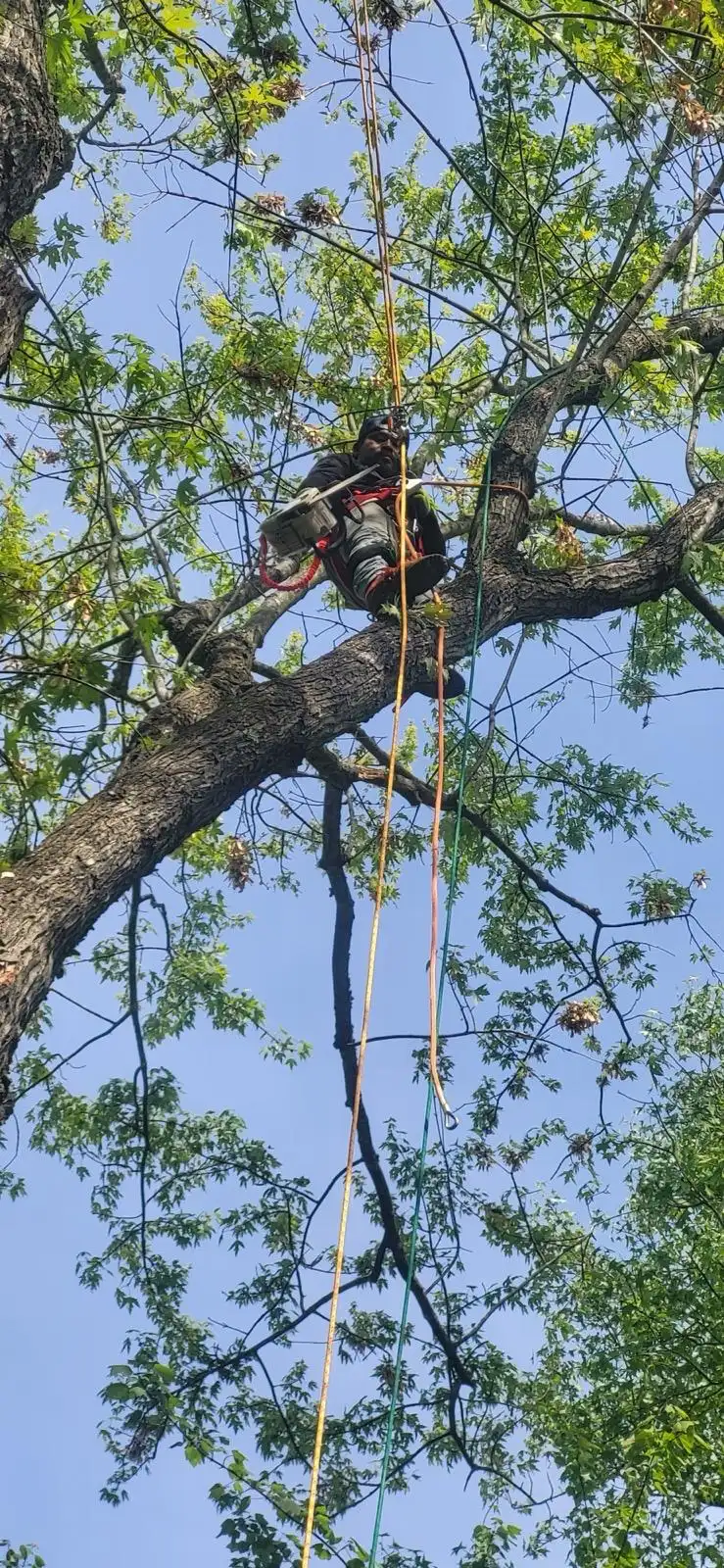
Amorales Landscaping trims and prunes trees in Connecticut to remove dead wood, clear rooflines, and keep branches strong. Each cut is made at the right point, so the tree seals the wound and grows back healthy.
- Licensed in Connecticut
- Free Estimates on every project
- 10 Years of experience
- One Crew start to finish
Professional Tree Trimming in Connecticut
Tree trimming and pruning remove dead, weak, and overgrown branches before they turn into a problem. Amorales Landscaping handles tree trimming in Connecticut on shade trees, ornamental trees, and evergreens, keeping limbs off your roof and giving each tree a balanced, healthy shape.
Good pruning follows the way a tree grows. Cuts are made just outside the branch collar, never flush with the trunk, and the crew removes only as much of the canopy as the tree can handle.
How We Plan Every Project
Every property in Connecticut is different. Slope, soil, drainage, and access change from one lot to the next, and each of those details affects how tree trimming and pruning should be done. During the on site visit we walk the property with you, listen to what you want to achieve, and point out anything that could affect the result, such as standing water, tight access for equipment, or nearby structures that need protection.
After the visit you receive a clear estimate with the full scope of work and the price before anything starts. There are no surprises halfway through the job, and you always know what is included.
Why Choose Amorales for Tree Trimming
Licensed in Connecticut. Your trees are trimmed by a licensed Connecticut contractor that stands behind every cut on your property.
10 Years of Tree Care. Ten years of pruning in Connecticut means knowing which cuts help a tree and which harm it.
Trimming and Removal Together. If pruning cannot save a tree, the same crew can remove it safely and clear the space.
What Every Tree Trimming Job Includes
- Inspection of every tree on the job
- Free estimate with pruning plan and price
- Cuts made just outside the branch collar
- Removal of dead and hazardous limbs
- Cleanup of branches and debris
What to Expect on the Day of the Job
On the day of the work, the crew arrives with the equipment the job needs and protects the areas around the work zone, including lawns, gardens, walkways, and driveways. Each step follows the plan from the estimate, and if something unexpected comes up, such as hidden roots, buried debris, or soft ground, we explain it to you before moving forward. You are never left guessing about what is happening on your property.
Built for New England Seasons
Connecticut properties deal with heavy snow, ice storms, spring rain, and summer heat. Work that looks fine in June can fail after one winter if it was rushed. That is why our crew focuses on preparation: the right base, the right materials, and the right timing for each stage of the job. The goal is a result that holds up year after year, not just on the day we finish.
When the work is complete, we clean up the site and walk it with you to confirm that everything matches the plan you approved. If you are looking for tree trimming and pruning in Connecticut, send the form or give us a call. We will come out, look at your property, and explain your options.
Tree Trimming & Pruning Projects in Connecticut
Our Tree Trimming Services in Connecticut
Every tree needs a different kind of cut. These tree trimming and pruning services cover the most common needs on Connecticut properties.
-
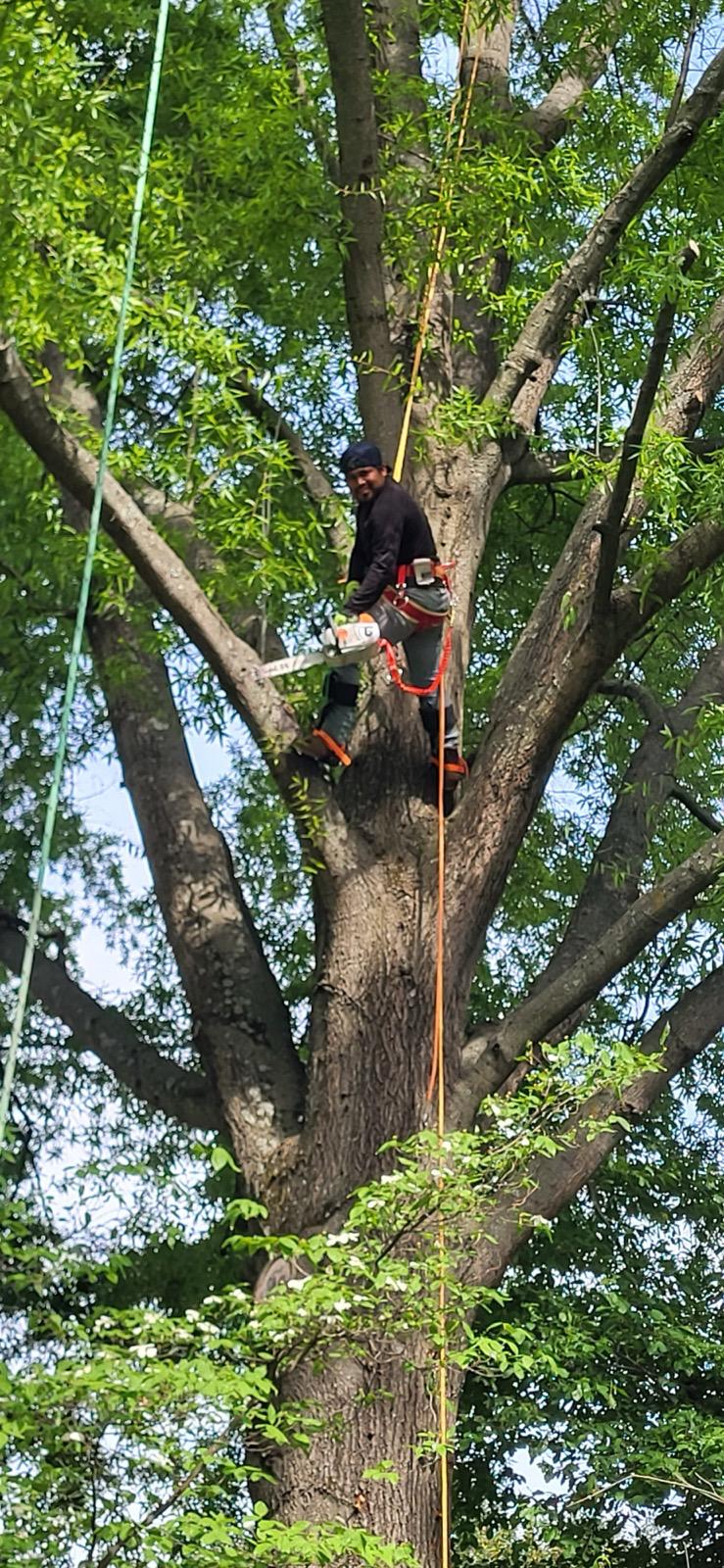
Crown Thinning in Connecticut
Crown thinning in Connecticut removes select interior branches to open up a dense, heavy canopy. More light and air move through the tree, wind passes through instead of pushing against it, and the lawn below gets the sun it needs.
-
Deadwood Removal in Connecticut
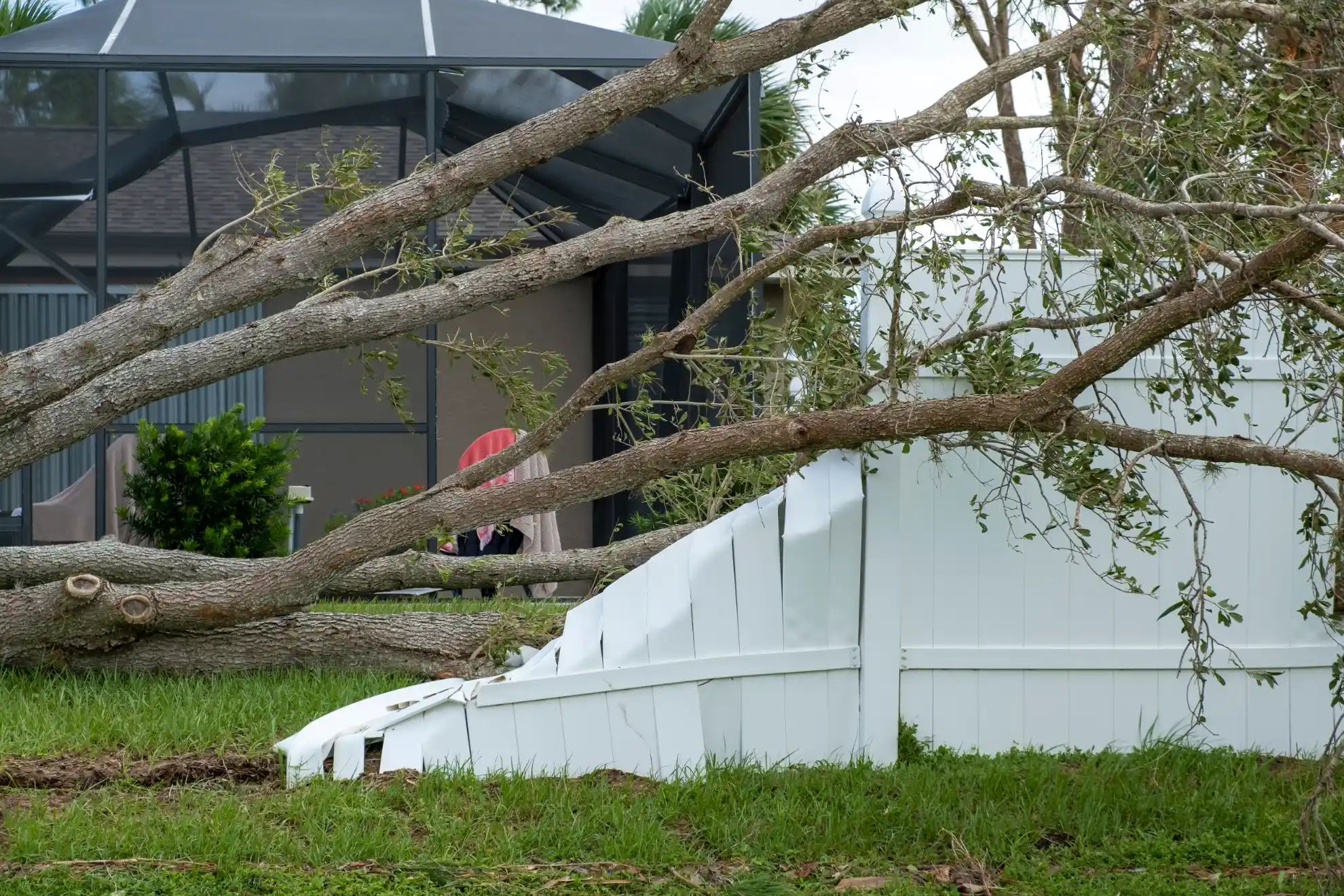
Deadwood removal in Connecticut cuts out dead, broken, and diseased branches before they fall. Dead limbs are the first to drop in winter storms, so clearing them protects your roof, cars, and front walkways and stops decay from spreading deeper.
-

Crown Raising in Connecticut
Crown raising in Connecticut removes the lowest limbs to lift the canopy. It opens clearance over driveways, sidewalks, decks, patios, and play areas, improves the view from your windows, and makes mowing under large shade trees much easier and safer.
-
Branch Clearance in Connecticut
Branch clearance in Connecticut cuts back limbs rubbing against roofs, siding, gutters, and brick chimneys. Keeping branches off the house prevents shingle damage and clogged gutters, and it keeps heavy limbs from landing on the roof during heavy winter storms.
-
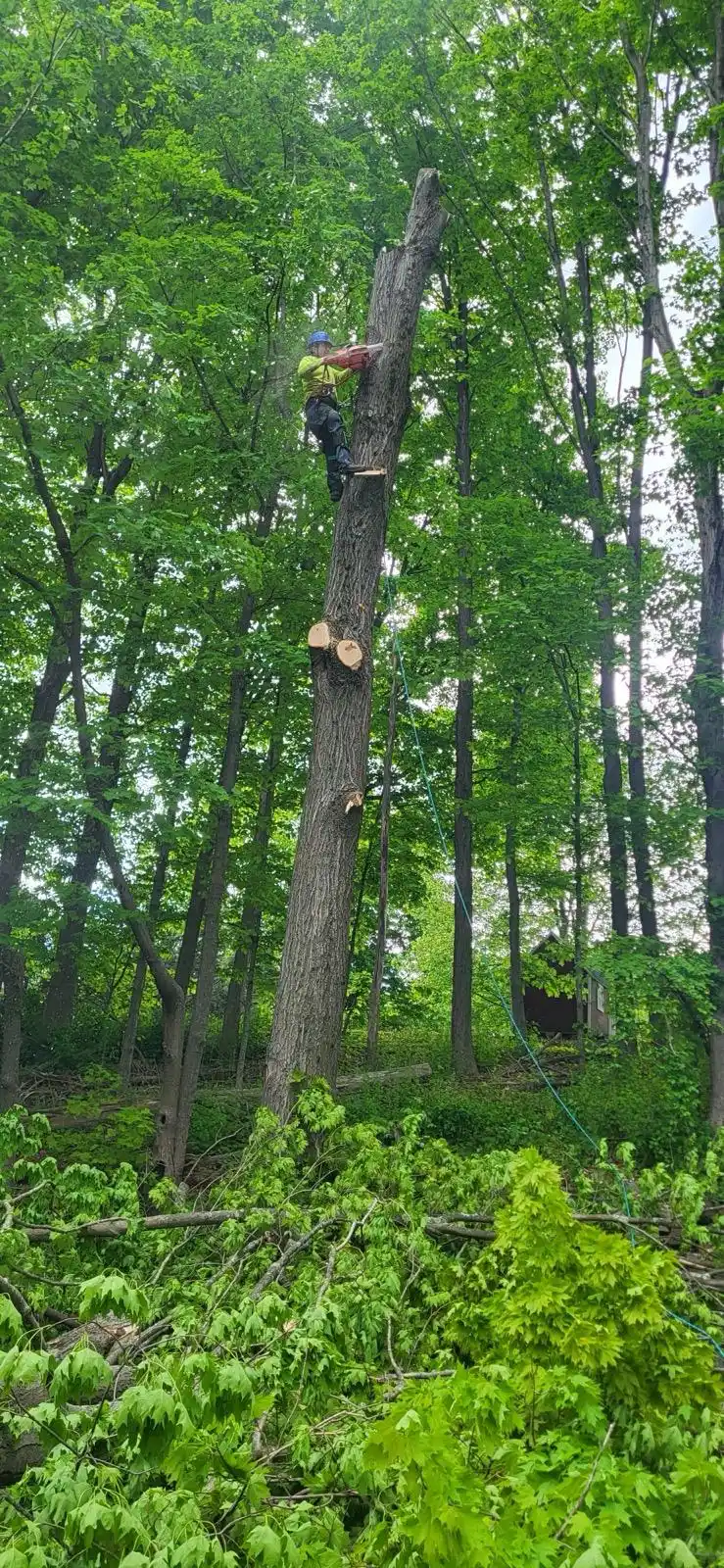
Structural Pruning in Connecticut
Structural pruning in Connecticut shapes young and medium sized trees so they grow strong. Competing leaders, crossing branches, and weak V shaped unions are corrected early, building a sturdy framework that resists splitting as the tree keeps maturing over time.
-
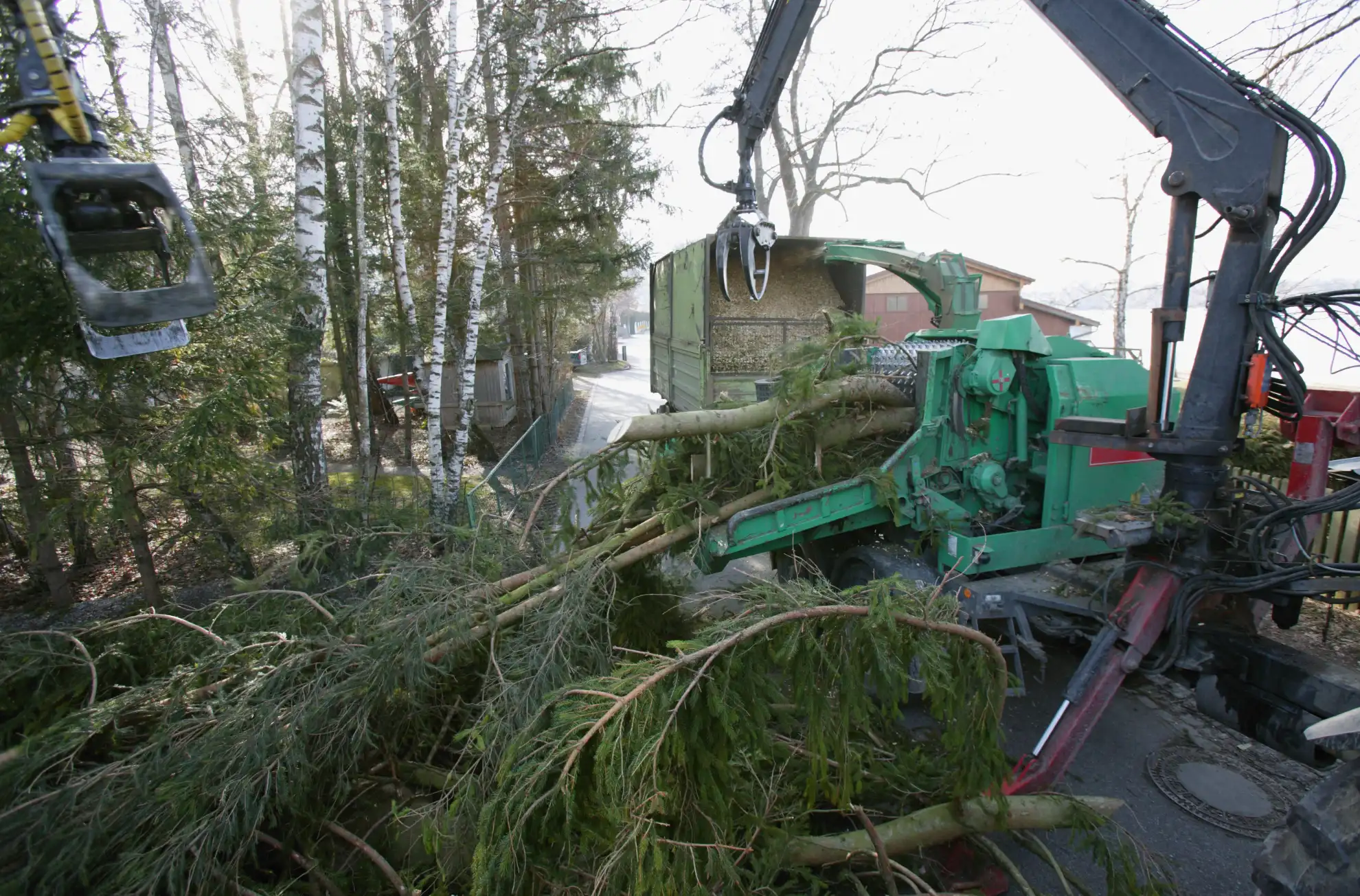
Evergreen Trimming in Connecticut
Evergreen trimming in Connecticut shapes pines, spruces, arborvitae, and other conifers without cutting into bare wood that will not grow back. Careful trimming keeps privacy screens full, removes storm damaged tips, and holds each evergreen in a clean, natural form.
Ready for Tree Trimming Done Right?
Tell us about your property and what you need. We will visit, explain your options, and give you a free estimate before any work begins.
Signs Your Trees Need Trimming
Most trimming problems are easy to spot from the ground. Look for these signs on the trees around your home.
Get Your Free Estimate- Branches touching the roof or siding
- Dead limbs with no leaves or bark
- A canopy too dense to see through
- Low limbs blocking walkways or driveways
- Branches crossing and rubbing together
- A tree growing lopsided or top heavy
How Tree Trimming Works
-
Step 01
Tree Inspection
The crew checks each tree's health, structure, and clearance problems, and clearly marks which branches need attention.
-
Step 02
Pruning Plan
You receive a free estimate listing the trees, the type of pruning, and the total price upfront.
-
Step 03
Careful Cuts
Each branch is removed at the correct point, so the tree seals the wound naturally and heals.
-
Step 04
Site Cleanup
Cut branches and debris are cleared from the lawn, beds, and driveway before the crew heads out.
Tree Trimming FAQ
Answers to the questions we hear most. Still have one? Call us and we will walk you through it.
Towns We Serve in Connecticut
It depends on how many trees there are, how tall they are, how easy they are to reach, and how much pruning each one needs. We'll look at your trees and give you a price before any work starts.
Late winter works well for most trees, since they're dormant and the branch structure is easy to see. Spring flowering trees are usually pruned right after they bloom. Dead or broken limbs can come off any time.
Most mature shade trees do well with pruning every few years. Young trees benefit from lighter, more frequent structural pruning while they're still growing, since small cuts now prevent big problems later.
Not when it's done right. Proper cuts at the branch collar heal on their own, and we don't top trees or strip out too much of the canopy. Bad pruning is what hurts trees, not pruning itself.
Branches touching power lines should be handled by your utility company, so call them first. We can trim the rest of the tree once the lines are clear and it's safe to work.
If you're in one of the Connecticut towns listed on this page, yes. Don't see your town? Call (475) 343-9865 and ask. We'll tell you right away if we can get to you.