Most people use these two words interchangeably, and honestly, plenty of companies do too. You call about tree trimming, someone shows up and prunes, everybody's happy and nobody notices. So does the distinction actually matter?
It does, in one specific way. Tree trimming and tree pruning have different goals, and when you ask for one while needing the other, you can end up paying for work that doesn't solve your problem. Worse, you can end up with cuts that look right this year and cause real damage over the next decade.
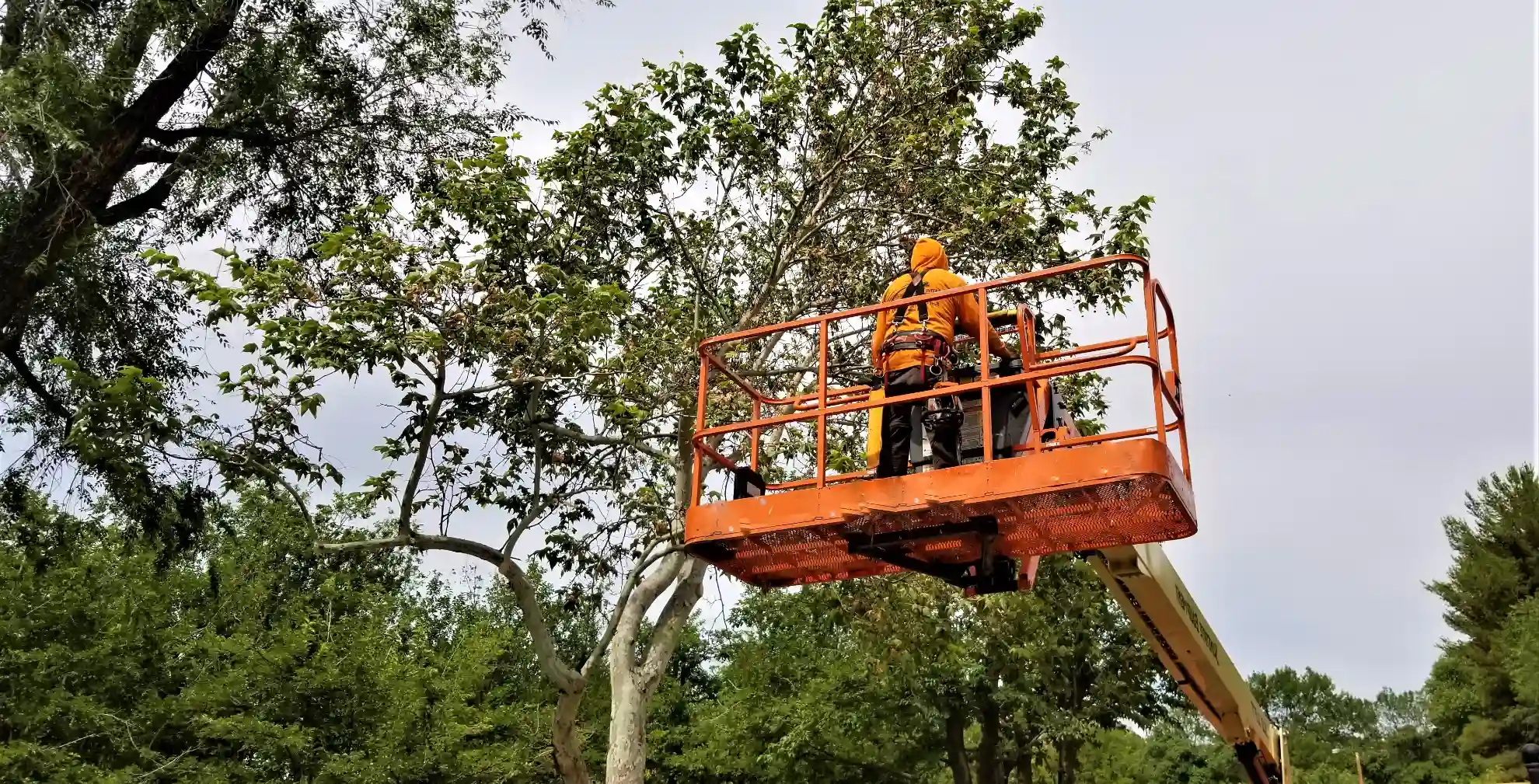
The short version: trimming is about you and pruning is about the tree. Trimming clears branches out of the way of things, roofs, gutters, driveways, wires. Pruning removes specific wood to improve the tree's health and structure. Same equipment, same crew, very different decisions about which branch comes off. Here's how to tell which one you're actually asking for.
Trimming Is About Clearance
When a limb is scraping your siding, dropping seed into your gutters, or growing toward the wire running to your house, that's a trimming job. The goal is space. Something needs to be out of the way of something else.
The decisions here are driven by the obstacle, not by the tree. You cut back to a point that gives adequate clearance and buys enough time that you're not doing it again next season.
Good tree trimming still respects the tree, which means cutting back to a proper junction rather than leaving stubs in midair. But the reason for the work is practical, and it's usually visible from your kitchen window.
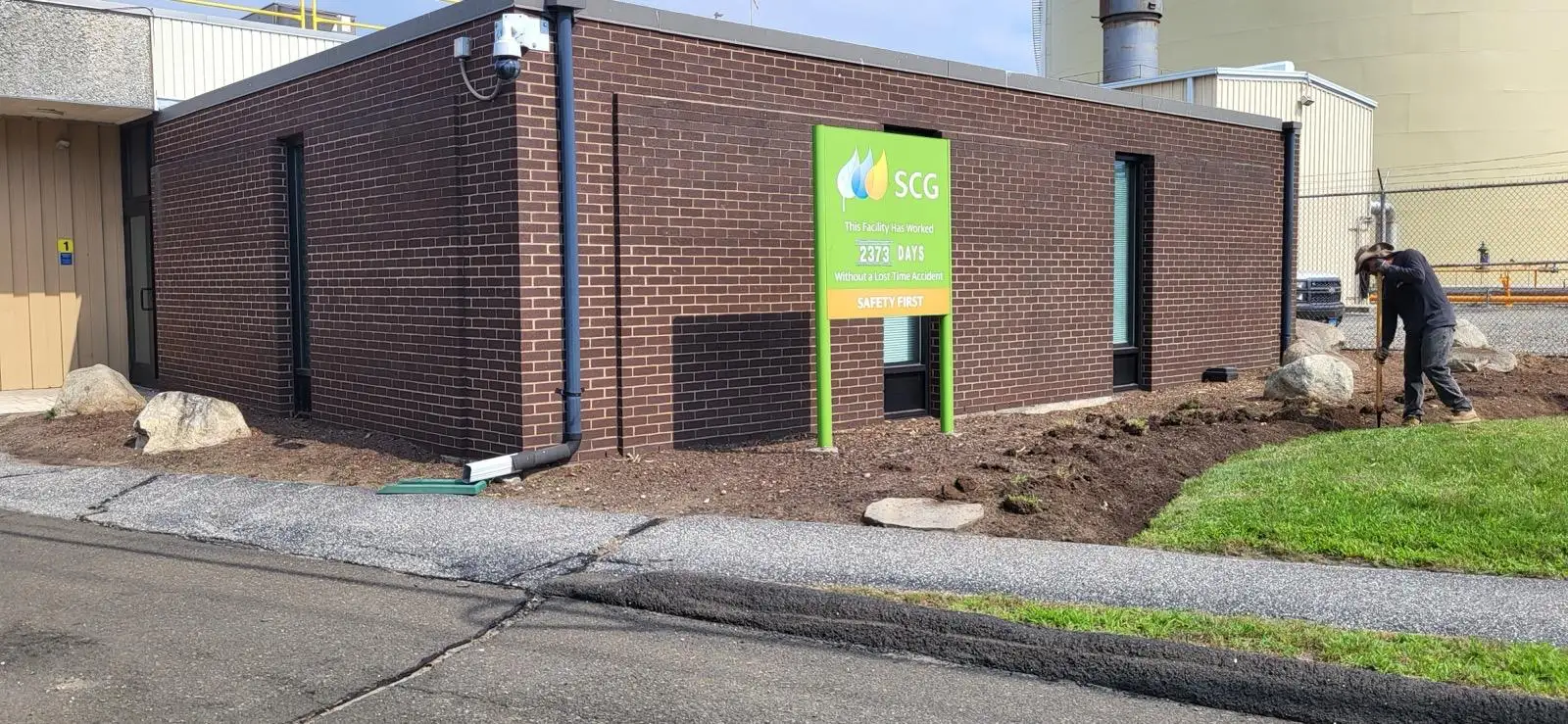
"Trimming is about you and pruning is about the tree."
Pruning Is About the Tree
Pruning removes wood for the tree's benefit. Deadwood, crossing branches rubbing each other into wounds, weak forks likely to split, and canopy so dense that wind pushes on it like a sail instead of passing through.
On young trees, tree pruning is structural. Correcting a competing leader on a small tree takes a few minutes with hand pruners. Correcting the same problem on a mature tree takes a crew and a rigging plan, and it's a large cost that a few minutes twenty years earlier would have prevented entirely.
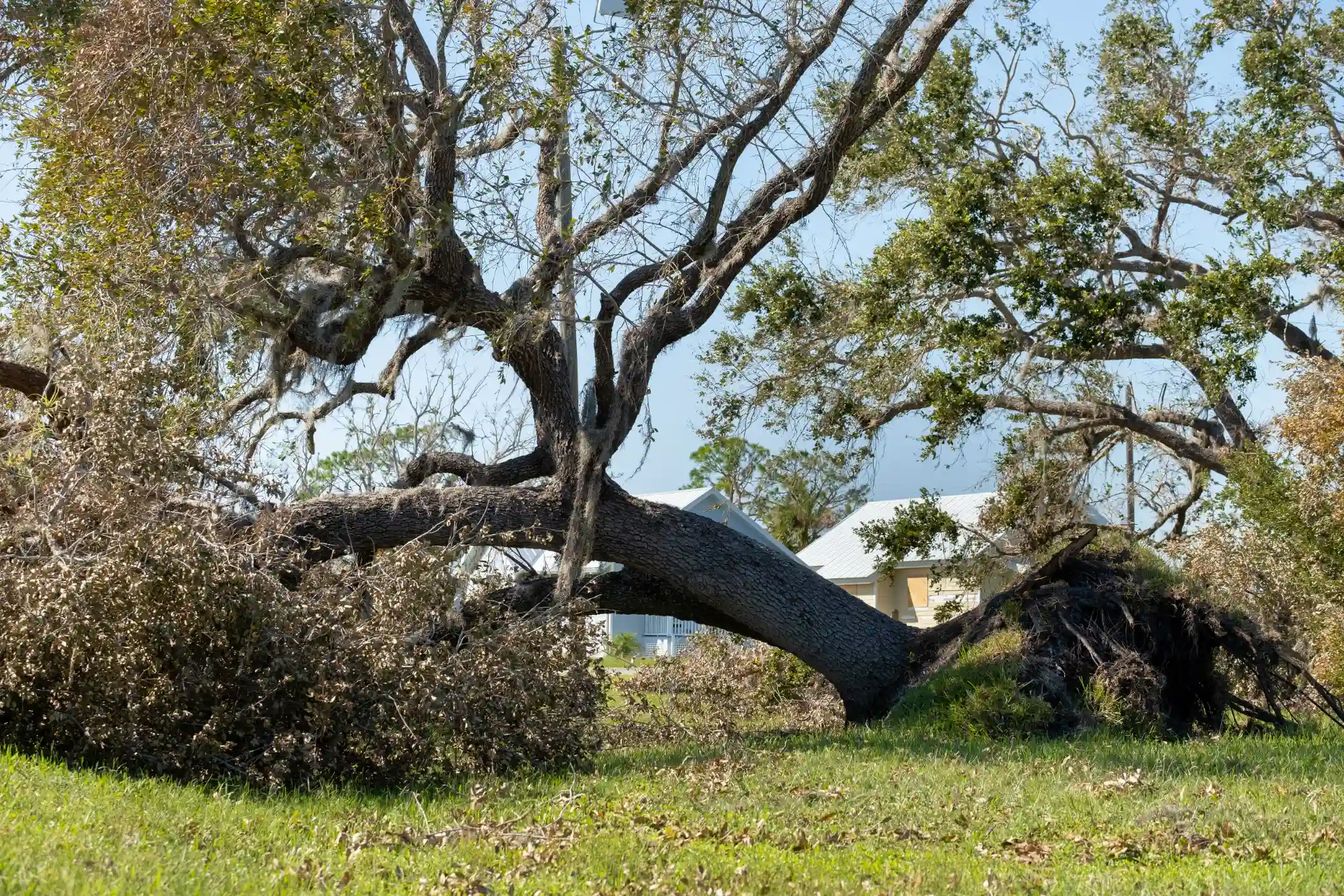
On mature trees, pruning is mostly about reducing failure risk before the storm that finds the weak point.
What It Costs You to Confuse Them
The expensive mistake goes in one direction. Someone wants clearance, asks for trimming, and gets a crew that takes off whatever is in the way with no thought for the tree's structure.
The worst version is topping, cutting main limbs back to stubs. It looks tidy for a season. Then the tree responds with a mass of weak, fast growing shoots off the cut ends, poorly attached and much more likely to fail than what was removed. Topping creates the exact hazard people were trying to avoid, on a delay of about five years.
The reverse error is milder. Careful pruning that ignores the branch on your roof just means you're calling again.
Which One Do You Actually Need?
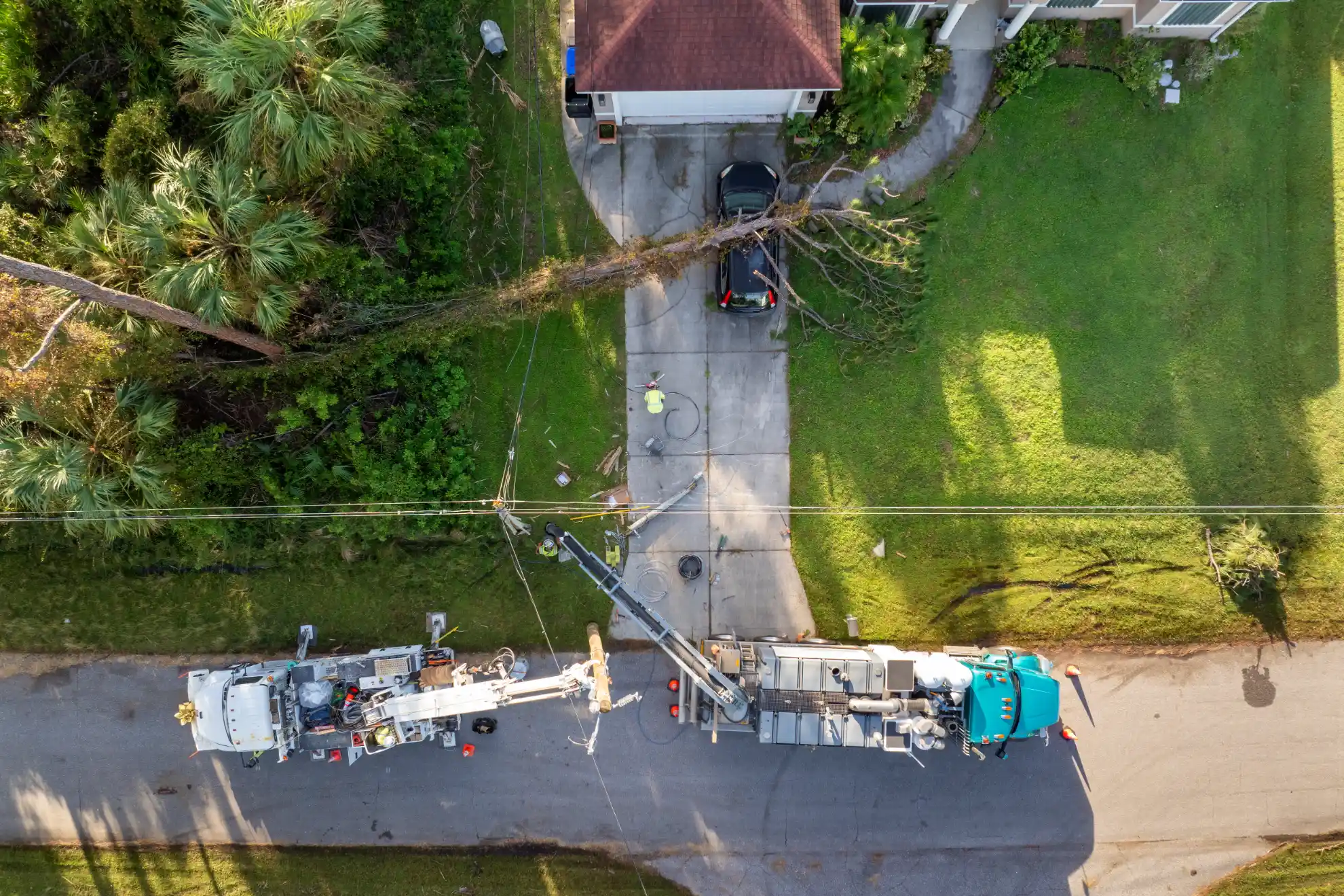
Ask yourself what's bothering you. If your answer names something the tree is touching, a roof, a gutter, a driveway, a wire, you want trimming, and you want it done in a way that doesn't damage the tree while solving it.
If your answer is about the tree itself, dead branches, a crack you noticed, a canopy that seems too heavy, or a young tree growing at a strange angle, you want pruning.
And frequently you want both, on the same visit. A crew looking at your tree properly will tell you what it needs structurally while they're up there clearing what's in your way. Getting both handled at once is cheaper than two visits.