A dying tree rarely announces itself. It doesn't go brown overnight or drop all at once. It fades across a few seasons, and by the time anyone says it out loud, the tree has been declining for years. That's the frustrating part. The signs a tree is dying are usually visible long before people read them as a problem.
If you have mature trees in a Connecticut yard, you're already watching them more than you realize. You notice when a branch stays bare in June while everything else has leafed out. You notice mushrooms at the base after a wet stretch. What's usually missing isn't observation, it's knowing which of those things matter and which are normal.
So here's a walkthrough, from the top of the tree down to the ground. None of it requires climbing anything or owning equipment. It's what you can see standing on your own lawn on a Saturday morning, and it's roughly the same order a crew works through when deciding whether a tree can stay.
Start With the Canopy
The top of the tree tells you first. Look up in early summer, once everything should be fully leafed out, and check whether the upper canopy matches the rest. Bare limbs at the very top while the lower branches look fine is one of the clearest signs a tree is dying, because trees give up on their highest growth first when they can't move enough water.
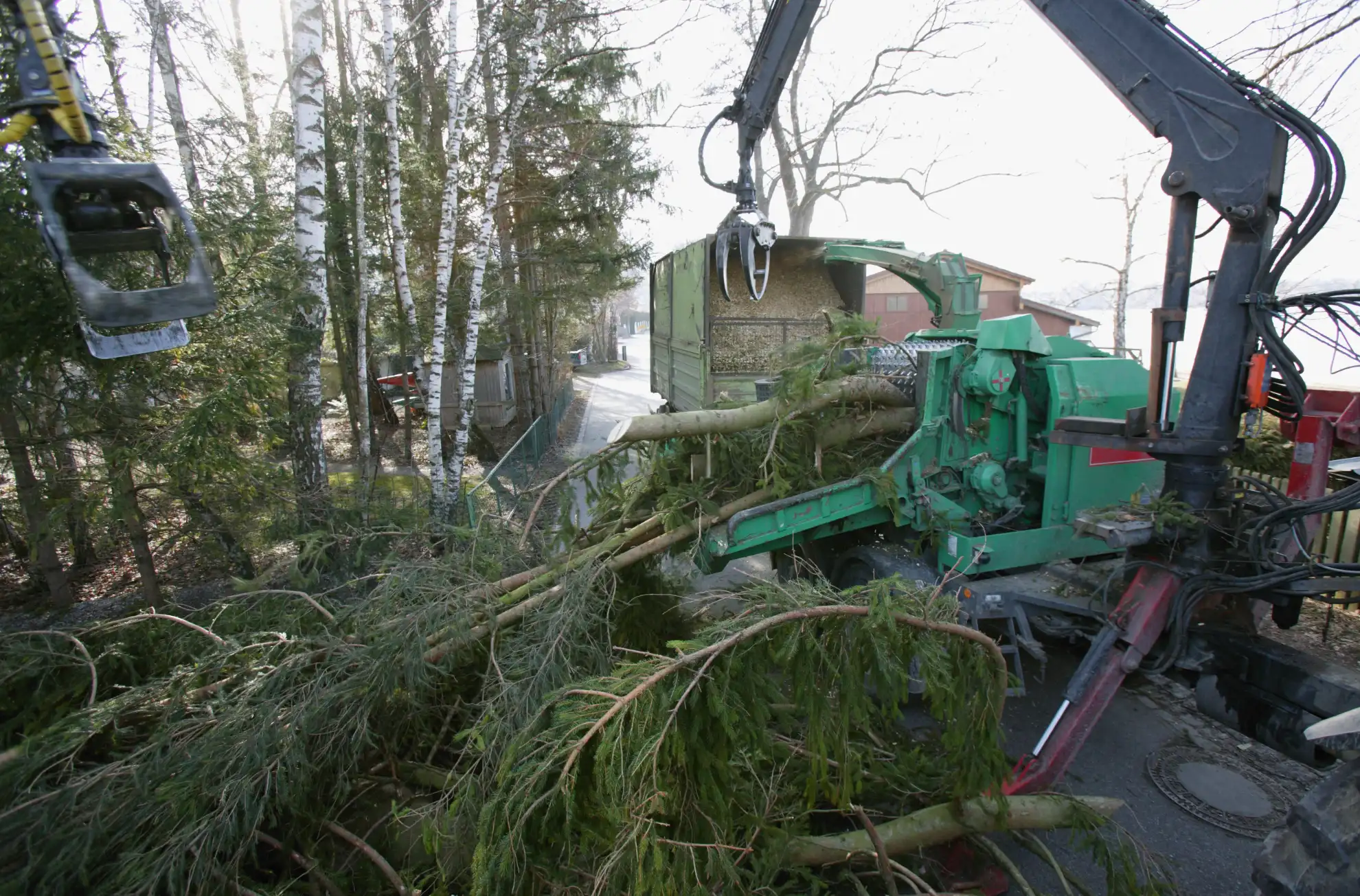
Also watch leaf size and color. Leaves noticeably smaller than last year, or leaves that turn early in August instead of October, both point to stress. One dead branch is not a verdict. A whole section of dead crown, on the same side, year after year, usually is.
"One dead branch is not a verdict. A whole section of dead crown, on the same side, year after year, usually is."
What the Trunk Is Telling You
Walk around the trunk and actually look at all sides. You're checking for vertical cracks running with the grain, bark that has come loose in sheets, and any spot where the wood underneath is exposed and dark.
Tap it if you want. A hollow sound over a section of trunk means the wood inside has been lost to decay, even though the outside still looks solid. Trees can live for years with hollow sections, so this isn't automatically a removal. What it changes is how much load that trunk can carry in a storm.
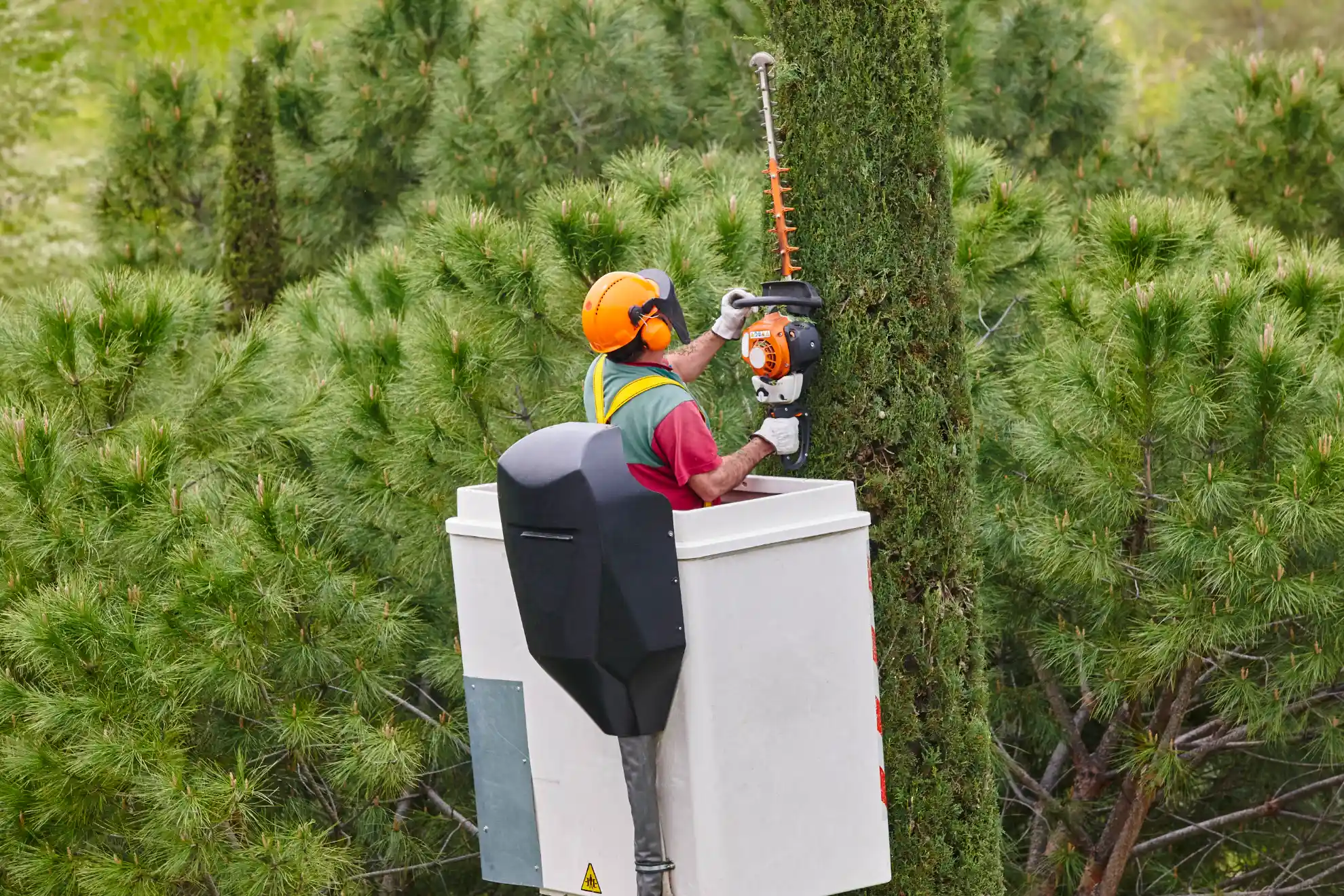
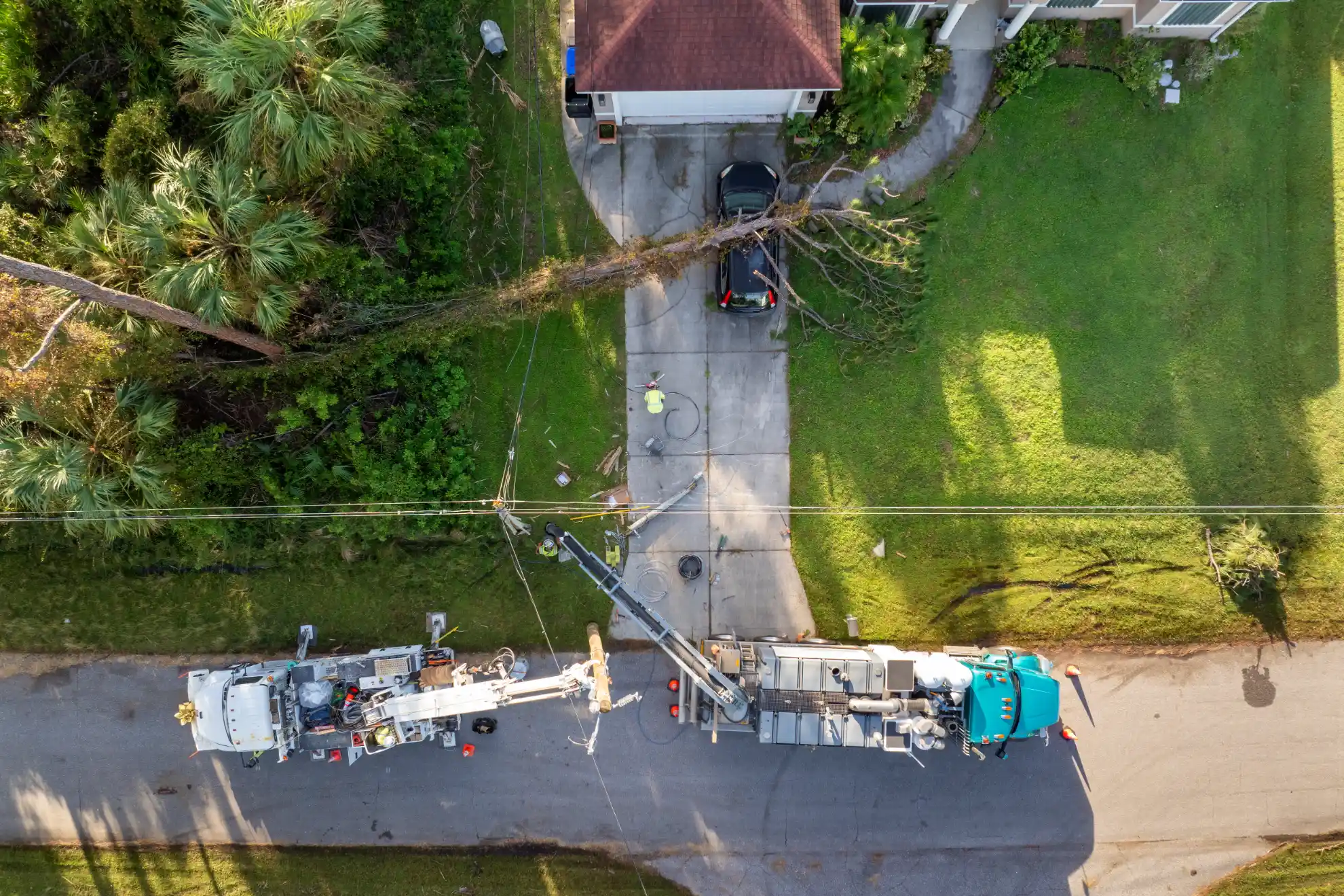
A split fork is the one that matters most. Where two main stems meet, look for a crack opening at the joint. That's a structural failure waiting for the right gust. If you see one, tree pruning can sometimes buy time, but often the safest move is tree removal before the storm makes the decision for you.
Check the Base and the Root Flare
The bottom of the tree is where the most serious problems show up, and it's the part almost nobody looks at. Find the root flare, the spot where the trunk widens out and meets the soil. It should be visible. If the trunk goes straight into the ground like a telephone pole, it may be buried too deep, which slowly strangles the tree.
Mushrooms or shelf fungus growing at the base are worth taking seriously. Fungus feeding at the root flare usually means decay that started well below the soil line, and root decay is invisible right up until the tree goes over.
Soil lifting on one side of the trunk is the most urgent sign on this whole list. If you see the ground bulging or cracked on the leeward side of a tree after a windstorm, treat that as an emergency tree services call rather than something to think about over the weekend.
When It Becomes a Safety Question
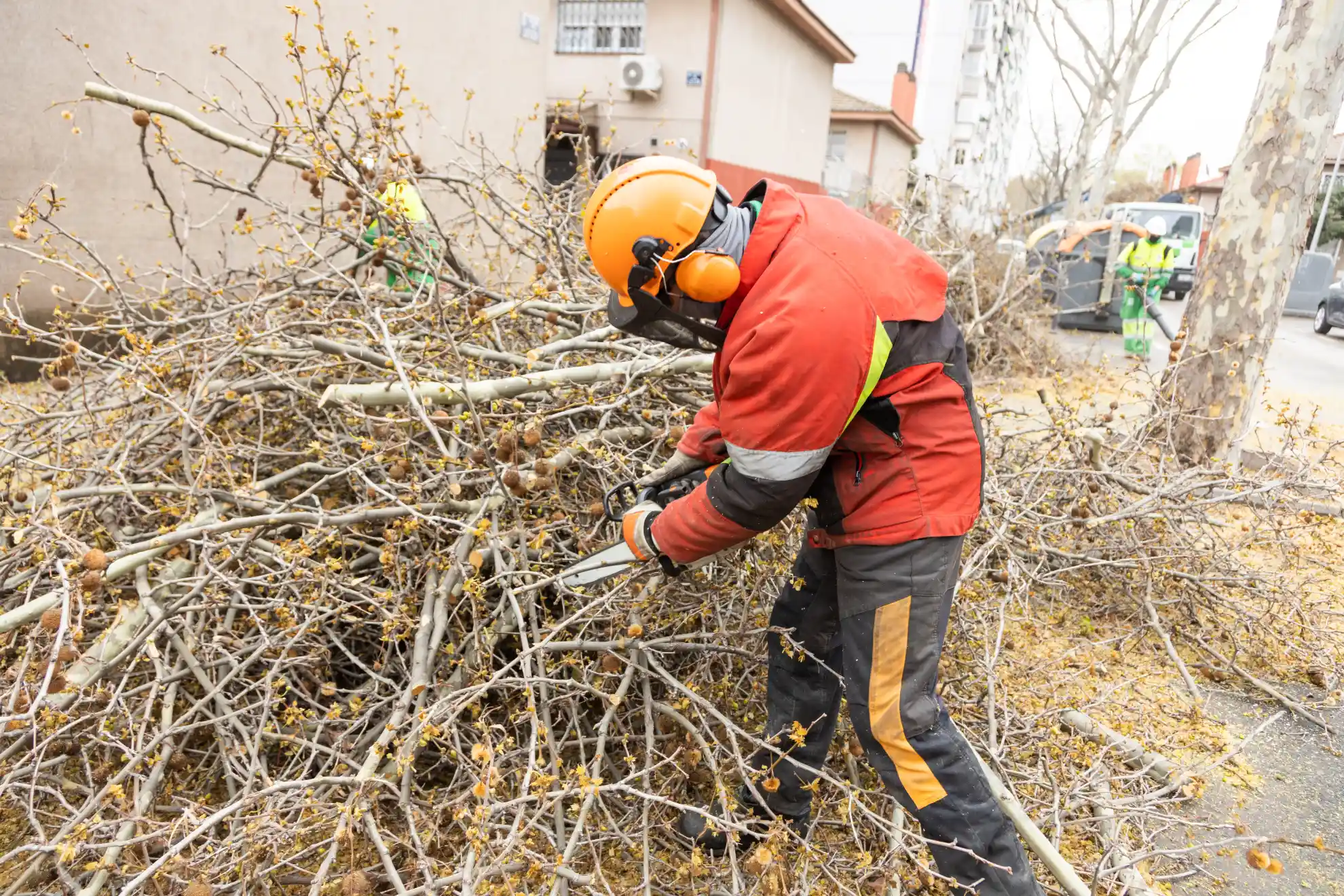
At some point this stops being about whether the tree is healthy and becomes about what's underneath it. A declining tree at the back of a wooded lot with nothing around it can often be left alone for years. The same tree over a driveway, a roof, or a spot where kids play is a different conversation entirely.
That's the real question to ask: not is it dying, but what happens if it fails. Dead wood is also unpredictable to work with once it goes brittle, so waiting rarely makes the eventual job cheaper or easier.
If you're unsure, a free estimate visit costs nothing and gives you a straight answer either way. Our tree services crew looks at the tree, the drop zone, and everything under it before recommending anything.