The best time to trim trees in Connecticut is usually late winter, while trees are still dormant. But that simple answer leaves out a lot. Flowering trees, evergreens, and damaged limbs all follow different rules. Pruning at the wrong time can cost you a season of blooms or stress a tree.
Timing matters here because Connecticut trees go through big seasonal swings. Cold winters, wet springs, humid summers, and fall storms each affect how a tree responds to cuts. A pruning schedule that works with those seasons keeps trees healthier and safer around your home. Knowing the right window for each tree protects its health and keeps your yard safer.
This guide breaks down when to trim the most common types of trees in Connecticut yards. You’ll learn why late winter works so well and how flowering trees and evergreens differ. You’ll also see which pruning jobs shouldn’t wait at all.
Why Late Winter Works for Most Trees
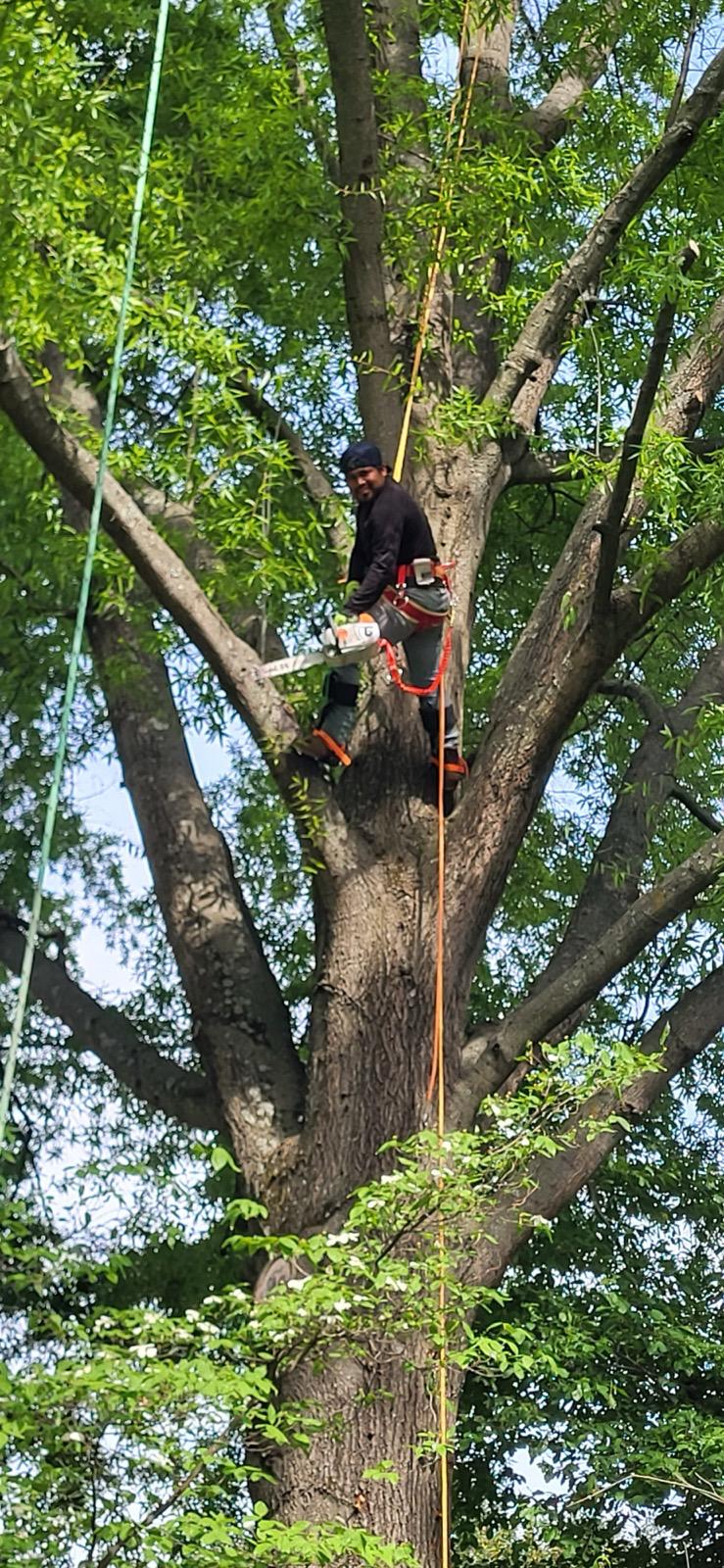
For most shade trees, like maples, oaks, and lindens, late winter is the sweet spot. The tree is dormant, so it isn’t putting energy into leaves or new growth. Without leaves in the way, the branch structure is easy to see. Crossing limbs, weak unions, and dead wood stand out clearly. Fewer insects and disease organisms are active in cold weather, so fresh cuts face less risk. When spring arrives, the tree pushes new growth and starts sealing its wounds right away. Some trees, like maples and birches, may drip sap from cuts in late winter. That looks alarming, but it doesn’t harm the tree. In Connecticut, February and March are usually ideal, once the worst cold has passed but before buds break open.
Flowering Trees Follow Different Rules
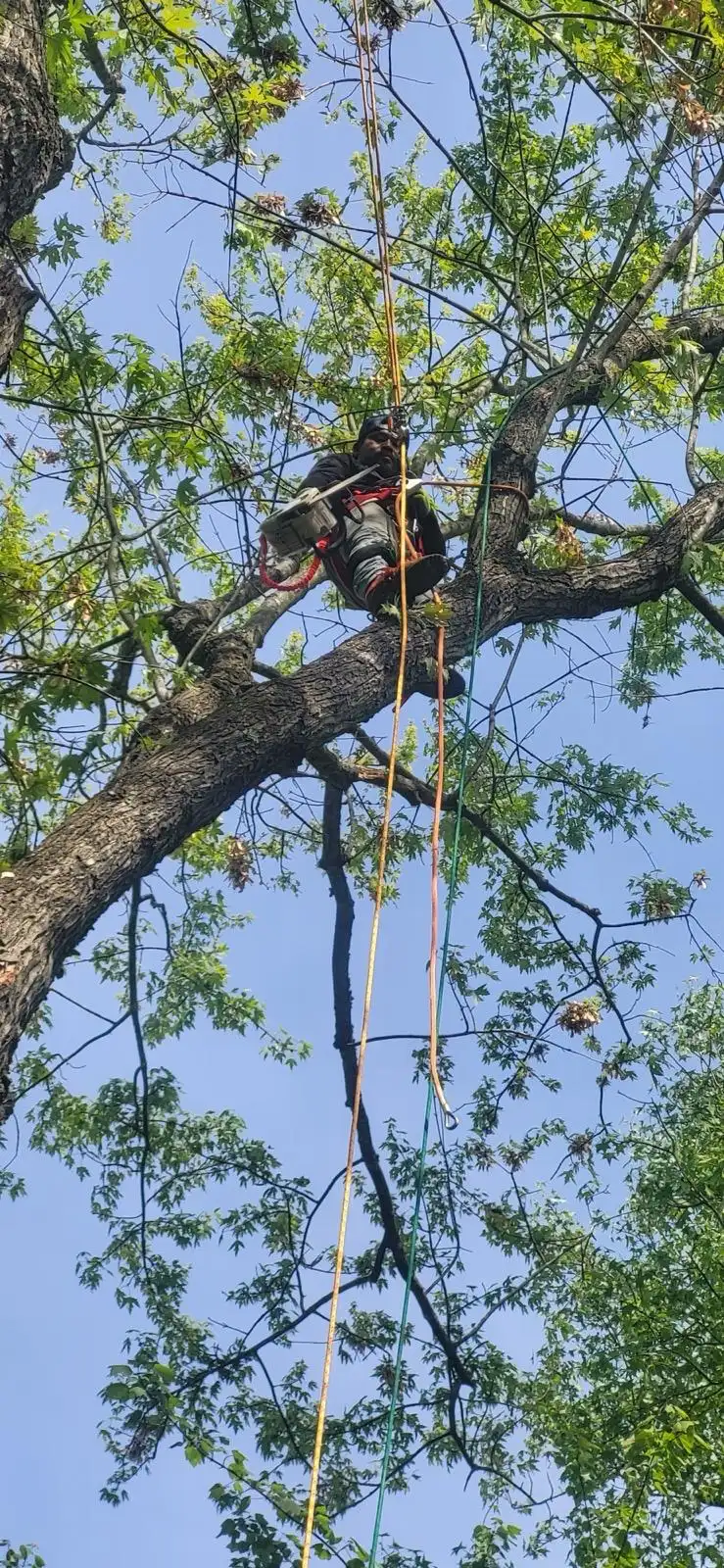
Flowering trees need a different schedule, because pruning at the wrong time removes the buds that make next year’s flowers. Trees that bloom in spring, like dogwoods, flowering cherries, magnolias, and crabapples, set their flower buds the summer before. If you prune them in late winter, you cut off those buds and lose the show. The better time is right after they finish blooming in late spring. Trees that bloom in summer work the other way. They form flowers on new growth, so late winter pruning actually encourages a better bloom. Not sure which group a tree belongs to? Watch when it flowers this year and plan the pruning around it. A little patience protects a lot of color in your yard.
When to Trim Evergreens
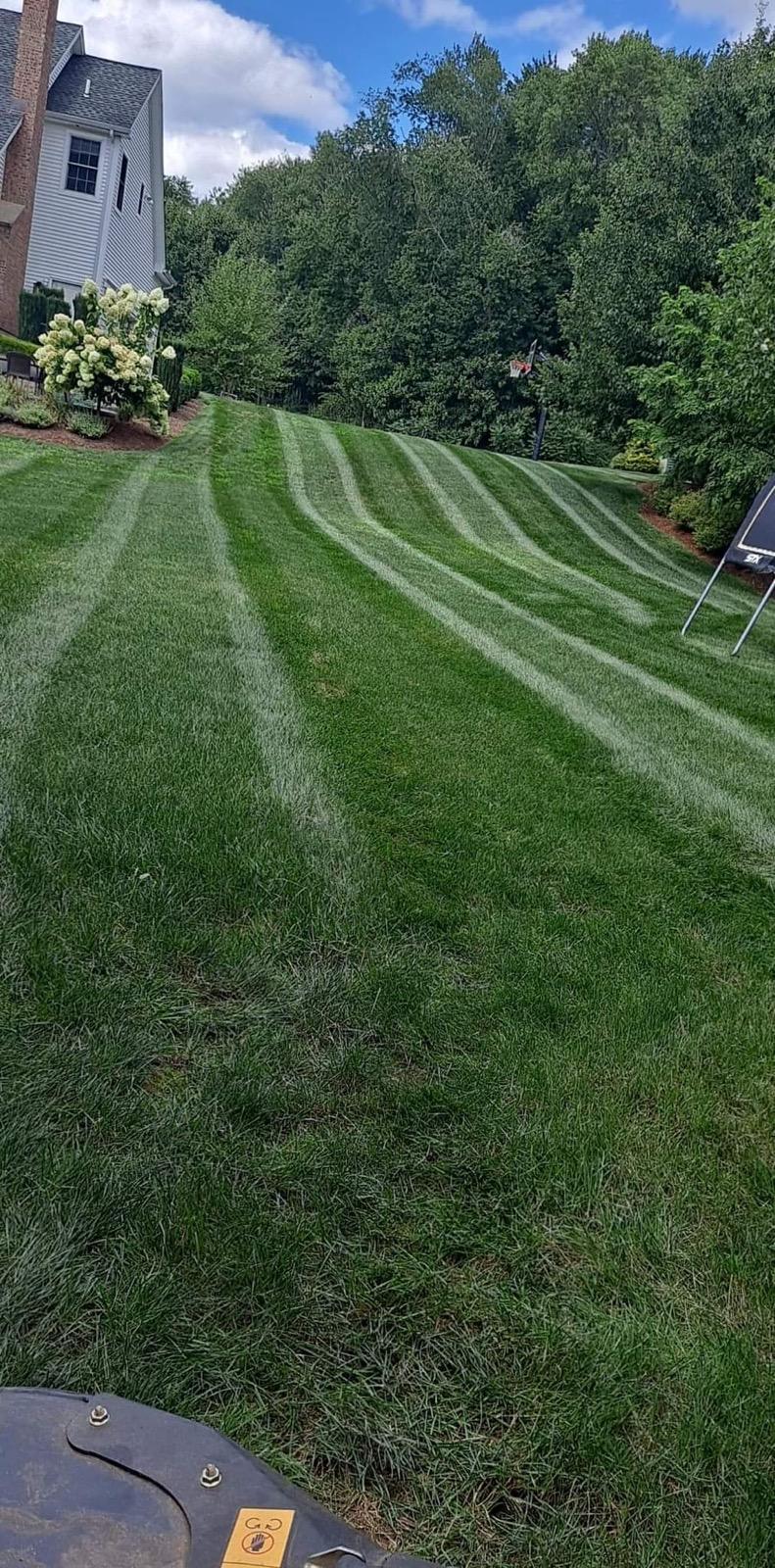
Evergreens like pines, spruces, hemlocks, and arborvitae need a lighter touch. Most are best pruned in late winter or early spring, before new growth starts. Light shaping can also happen right after the spring flush of new growth hardens off. The biggest rule with most conifers is to avoid cutting back into bare wood that has no green needles. Many evergreens can’t grow new shoots from old wood, so a heavy cut leaves a permanent bare spot. That’s why privacy screens and hedges look best with regular, light trimming instead of occasional hard cuts. Evergreens also carry heavy snow and ice in Connecticut winters. Removing weak or dead limbs before winter reduces the chance of branches snapping under that weight.
Pruning That Can’t Wait
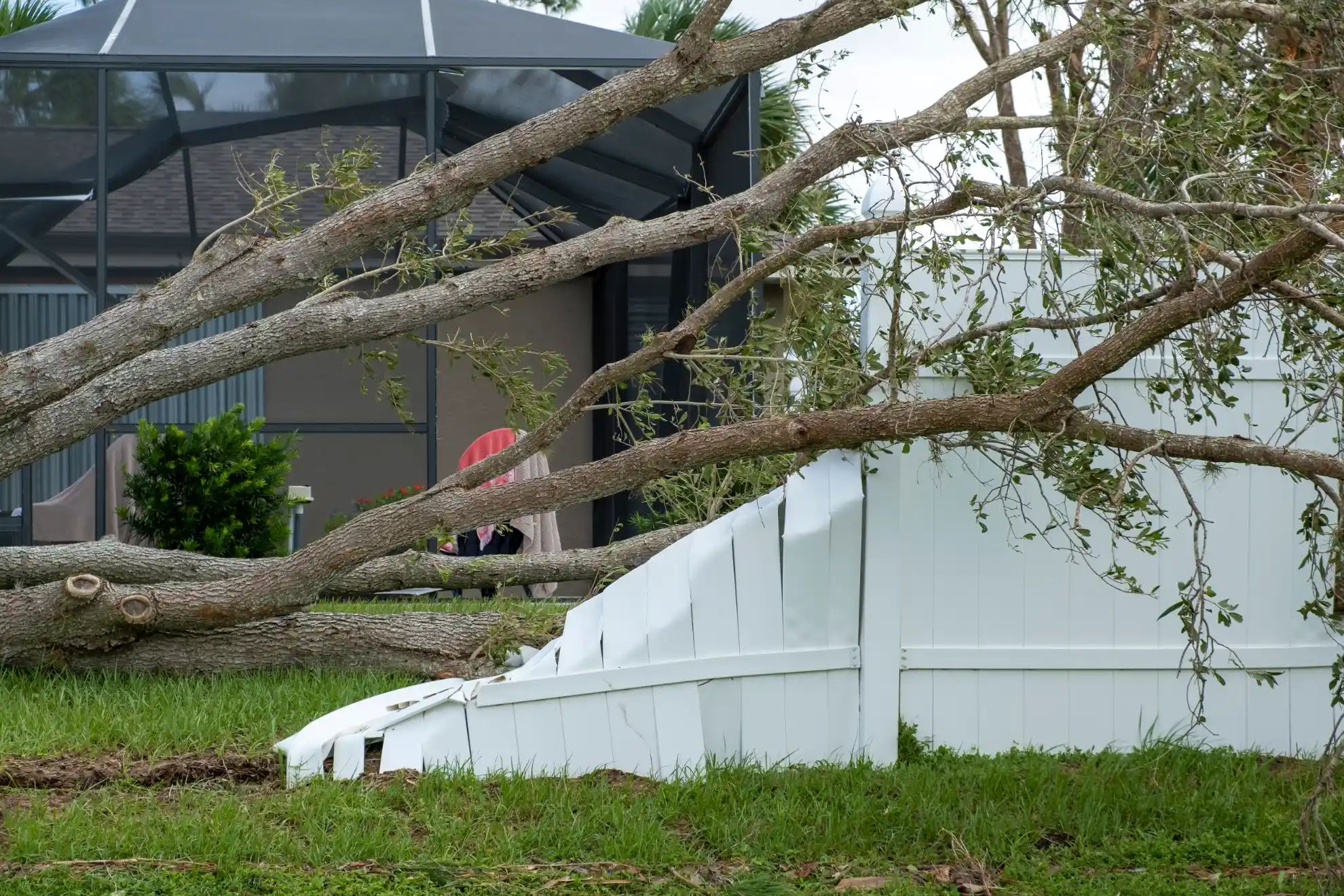
Some tree work shouldn’t wait for the ideal season. Dead, broken, or hanging limbs can come off any time of year. They should, because they can fall without warning. The same goes for branches rubbing your roof, blocking a driveway, or hanging over a walkway after a storm. Removing those hazards quickly protects your home and your family. Heavy structural pruning is a different story. Major work, like thinning a dense crown or correcting weak limbs, is usually best done in late winter. One more exception matters a lot. Branches touching power lines should always be handled by your utility company first. Once the lines are clear, a tree trimming crew can finish the rest of the job safely.