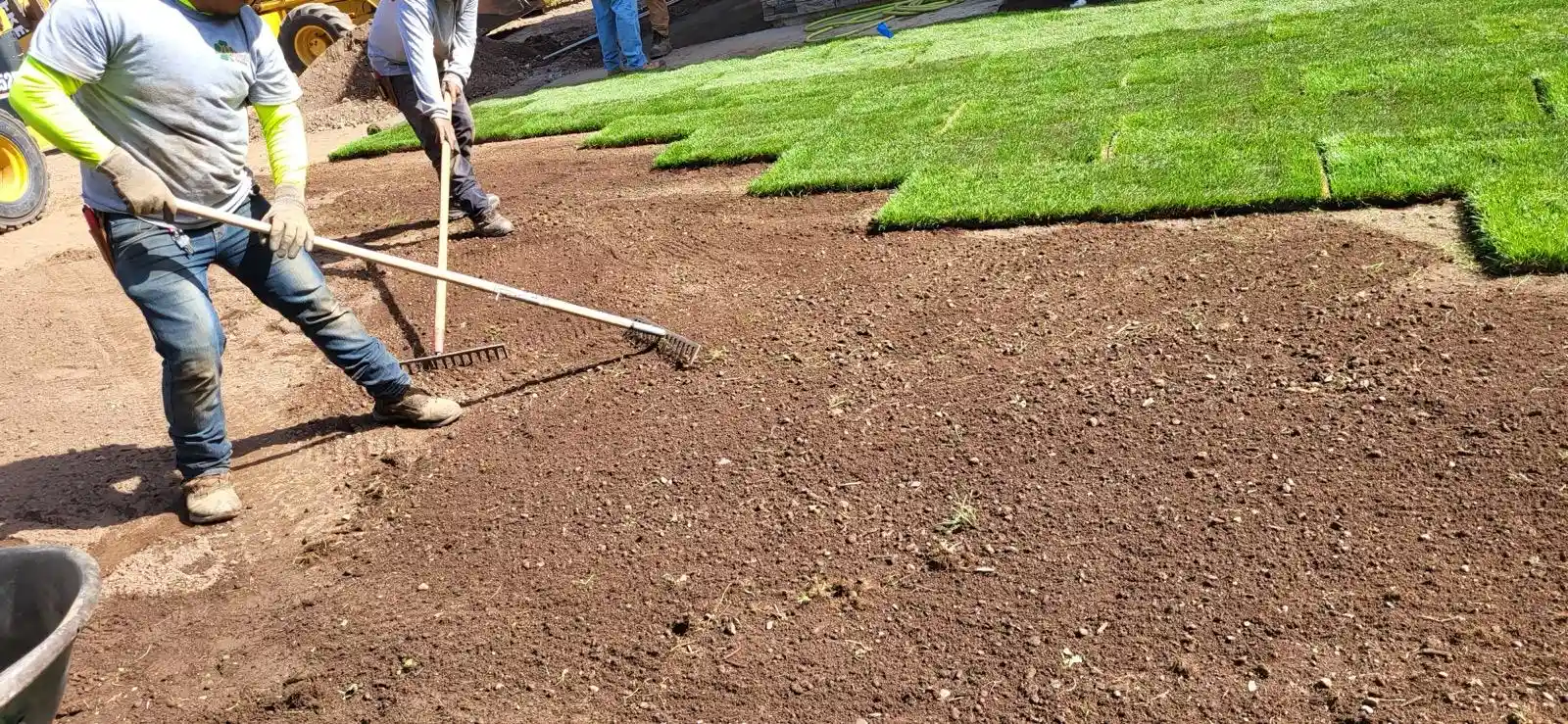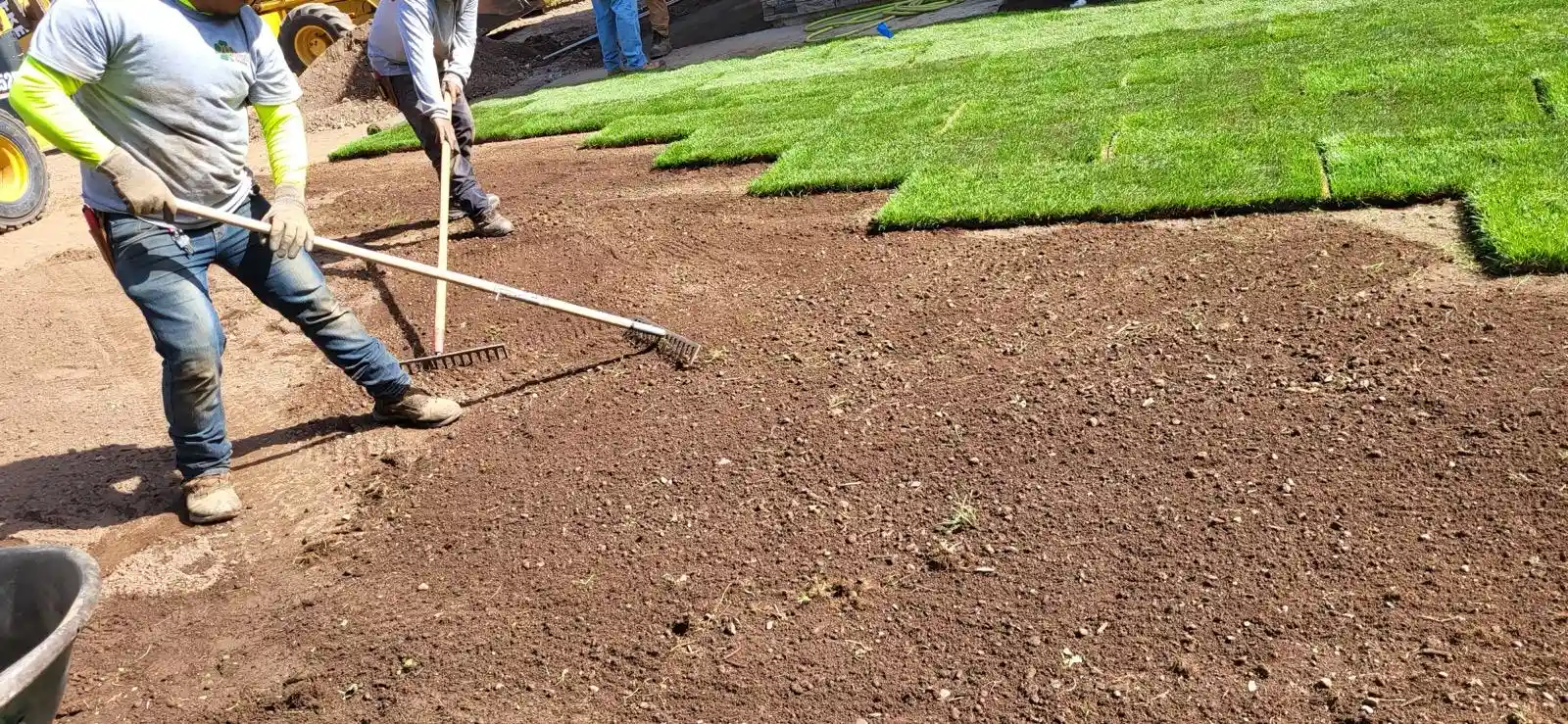
When a lawn is too thin or damaged to save, the big decision is sod vs seed. Both can give you a healthy lawn, but they get there in very different ways. One gives you green grass the day it’s installed. The other takes patience, but costs less at the start. The right choice depends on your yard, your budget, and how soon you want to use the lawn.
In Connecticut, the choice matters even more. Planting windows are short, summers get hot, and winters are hard on young grass. A lawn that doesn’t establish before the weather turns can wash out or dry up. Weeds can also take over before it fills in.
This guide compares sod and seed side by side. You’ll see how they differ in upfront cost, timing, and results. You’ll also learn where each one works best and what matters more than either choice. By the end, you’ll know which option fits your yard, your budget, and your timeline.
How Sod and Seed Compare Upfront
Seed is almost always the cheaper option at the start. A bag of seed covers a lot of ground, and the materials cost far less than rolls of sod. Sod costs more because a farm has already grown that grass for a year or more. Then it’s cut, rolled, and delivered. Installation labor is higher with sod too, since every roll has to be laid by hand with tight seams. But upfront price isn’t the whole picture. Seed often needs extra seed to fill thin spots, more weeding, and more time before the lawn is usable. Sod skips most of that. The fair comparison is what you’ll spend, in money and time, to get a full lawn.
Timing and Results
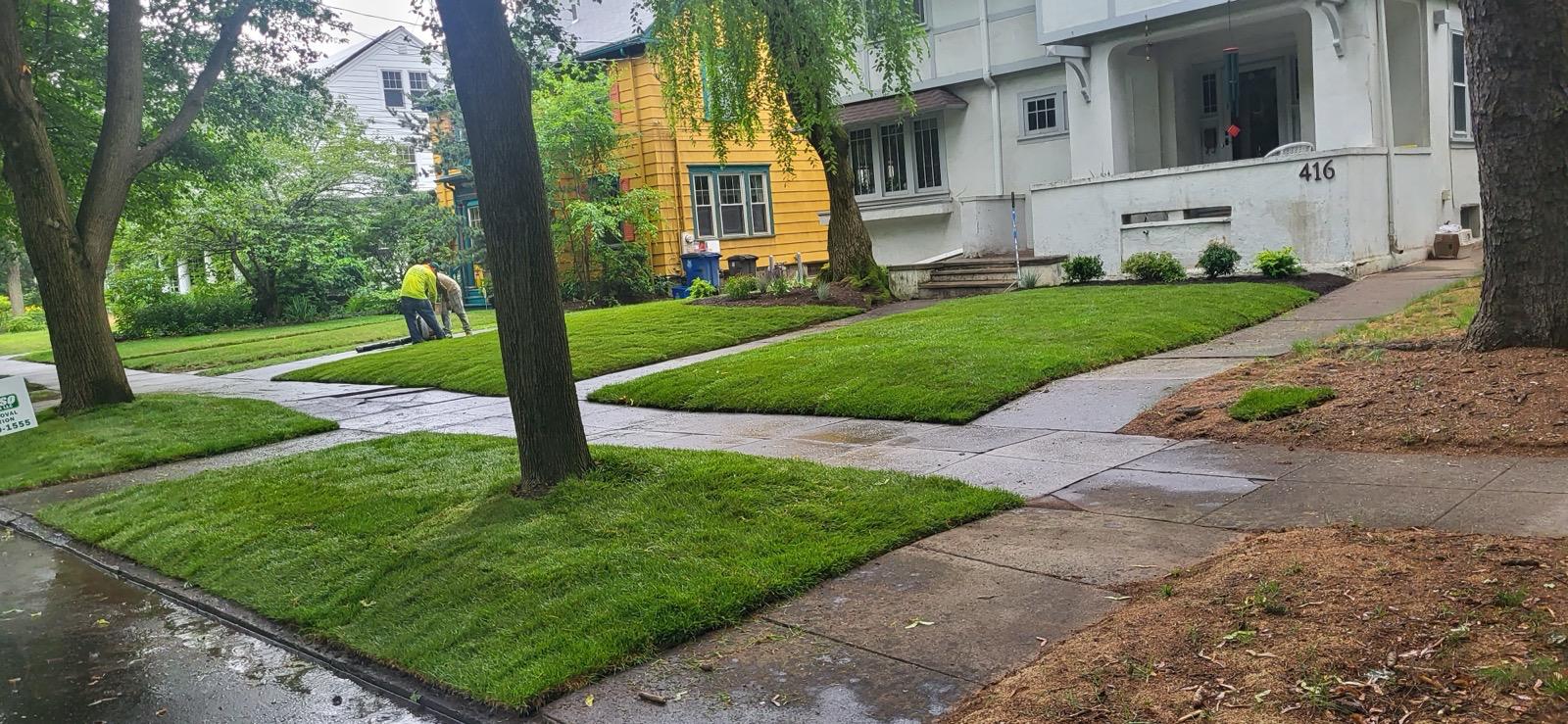
Timing is where sod and seed differ the most. Sod gives you a finished lawn the day it’s laid. Roots start growing into the soil within a couple of weeks, and light use can begin soon after. Seed is much slower. Most grass seed sprouts within one to three weeks. Still, it takes a full season or more to fill in as a thick lawn. In Connecticut, seeding works best in late summer and early fall, when soil is warm and air is cooler. Spring seeding is possible but often fights summer heat and weeds. Sod is more flexible. Late spring and early fall are ideal. With proper watering, sod can go down through much of the growing season.
Where Each One Works Best
Sod shines in a few situations. On slopes, it holds soil right away, while seed can wash out in the first heavy rain. In high traffic areas, like play spaces and paths to the door, sod handles use much sooner. It’s also the best choice when you need results fast, such as after construction or before an event. Sod is great for repairing sections too, since patches blend in right away. Seed makes more sense on large areas where budget matters most and you can wait. It’s also useful for overseeding a lawn that’s thin but not dead. For deep shade, both struggle, so choose shade tolerant grass varieties and keep expectations realistic under dense trees.
What Matters More Than Sod or Seed
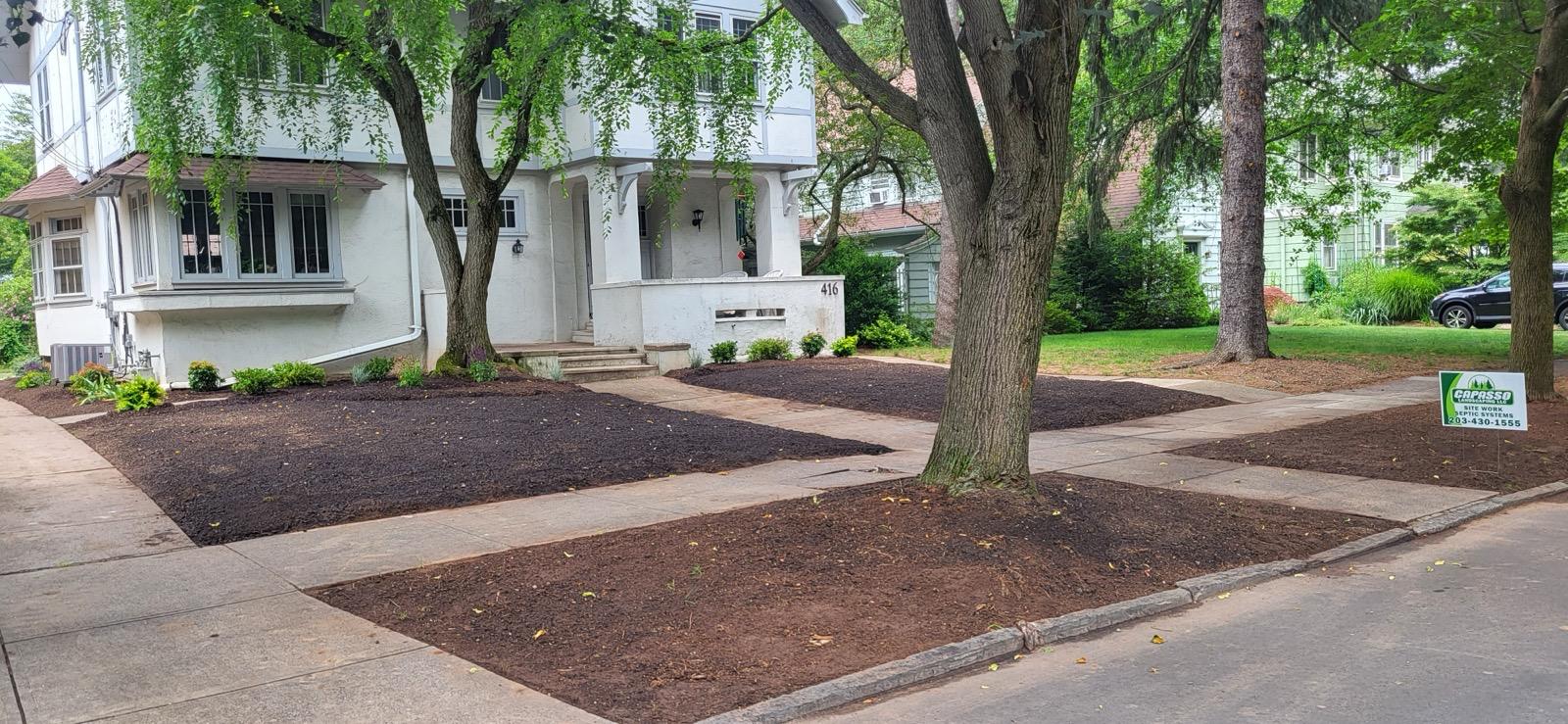
The choice between sod and seed matters less than what happens underneath. Both fail on poor soil. Compacted ground, rocks, roots, and old turf all block new roots from spreading. Proper soil preparation means removing the old lawn, loosening the soil, adding topsoil where needed, and leveling the surface. Drainage matters just as much. If water pools in the yard, new grass will drown no matter how it’s planted, so fix grading problems first. Finally, watering makes or breaks a new lawn. Sod needs daily water for the first couple of weeks, and seed needs the surface kept moist until it sprouts. Get these basics right, and either option can give you a healthy Connecticut lawn.